
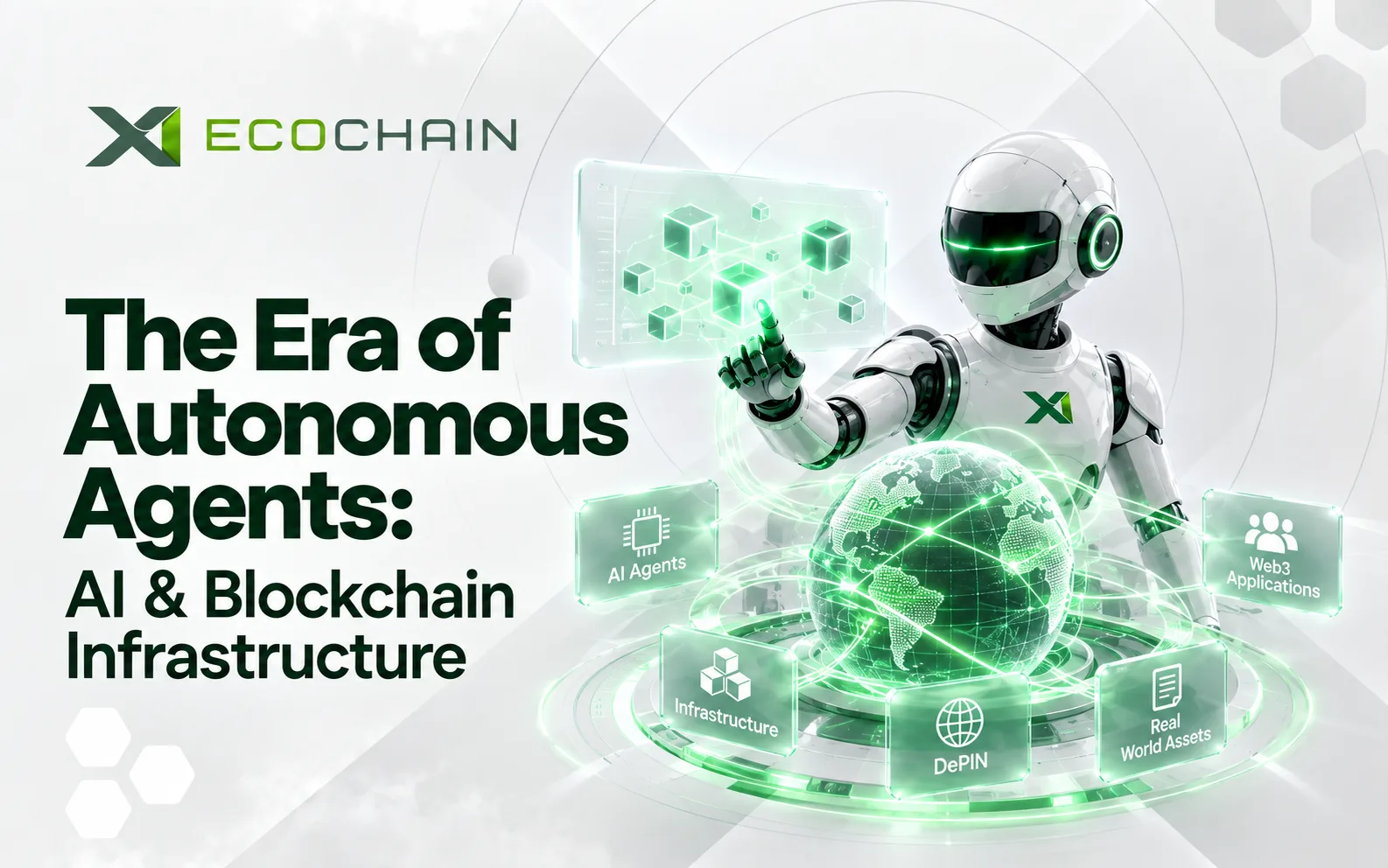
The end of September 2026 has marked an important milestone for the technology market: analytical reports from leading global institutions openly state that the economy of the future will be built on the interaction of autonomous software systems. The emergence of autonomous AI agents capable of independently managing crypto funds, executing microtransactions, and coordinating workflows 24/7 has exposed the primary vulnerability of legacy networks—a shortage of blockspace.
Traditional blockchains face colossal overloads when millions of requests from intelligent systems begin competing for priority in the transaction queue. This is precisely why the market has shifted from abstract discussions to the practical search for architectural solutions.
At the Intersection of Technologies: Analysis of Approaches and Infrastructure Selection
When experts conduct a detailed blockchain comparison, attention shifts away from marketing metrics to the protocols' ability to handle distributed computing loads. The integration of blockchain and AI concepts requires not just high registry writing speeds, but the creation of a full-fledged environment for autonomous agents that need stable settlements, security, and scalable computing power (DePIN).
A thorough blockchain comparison in current realities shows that only those ecosystems that initially build support for decentralized intelligence into their architecture will win the race. A full synergistic effect of AI and blockchain is possible only when the network is capable of processing massive data streams without single points of failure and high fee barriers.
How X1 EcoChain Solves Scalability Challenges for AI Tasks
The advanced Web4 architecture implemented in X1 EcoChain serves as the answer to the challenges of the modern on-chain economy. The project is built to accommodate high-intensity workloads, providing an ideal foundation for the operation of autonomous agents and decentralized applications.
Key advantages of the X1 EcoChain infrastructure:
Optimization for DePIN and Neural Networks: The network is designed for the efficient processing of thousands of microtransactions and distributed computations required for the uninterrupted operation of AI agents.
Web4 Architecture: Advanced standards for blockchain interaction with artificial intelligence, eliminating bottlenecks during data transfer.
Efficient Blockspace Management: Innovative consensus algorithms help offload the network, preventing delays even during peak smart contract activity.
X1 EcoChain combines high performance, cryptographic security, and scalability, opening a new phase of development for decentralized ecosystems.