
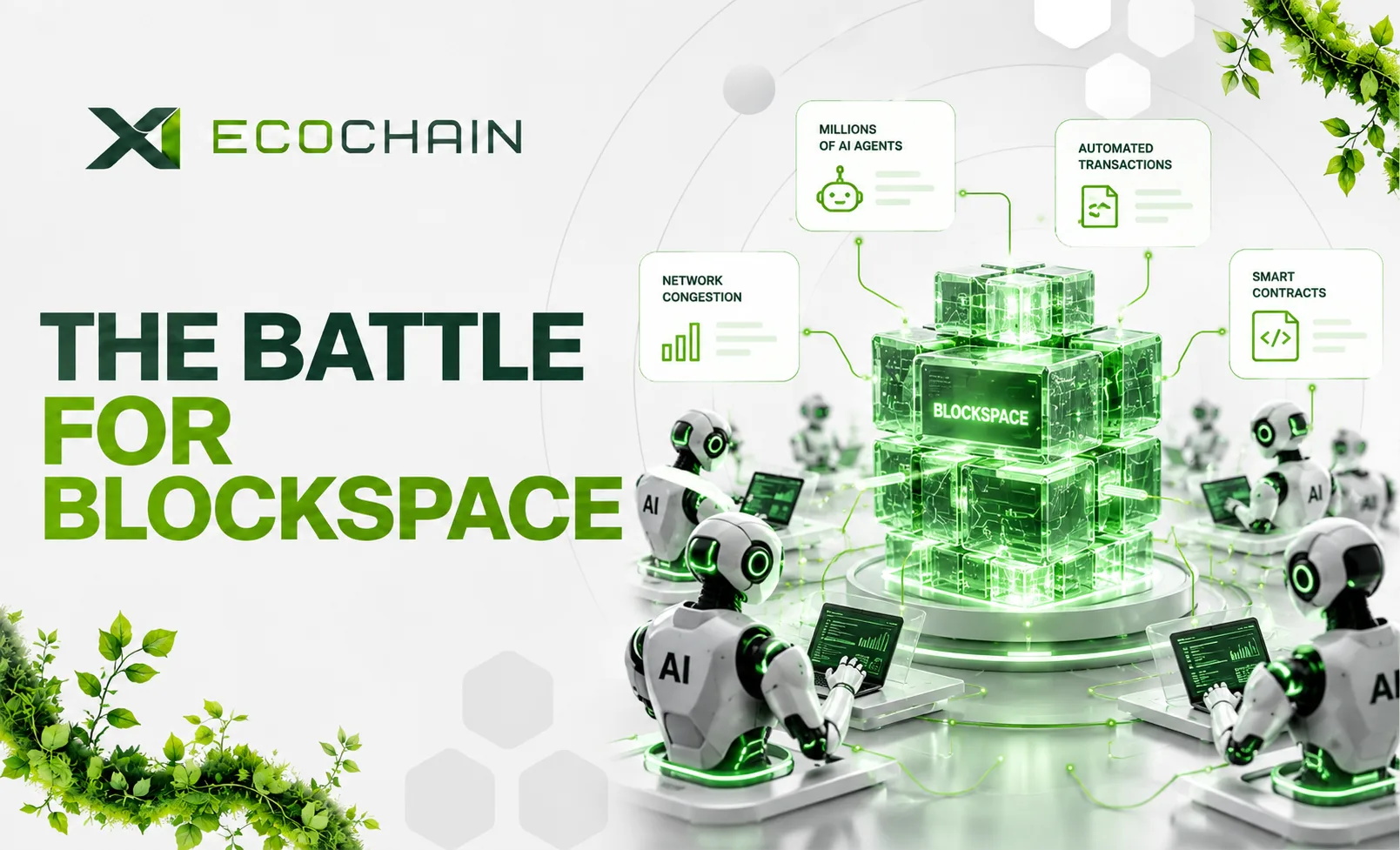
September 2026 presents the distributed ledger industry with a severe challenge. This week, leading developers and architects of major L1 networks are actively discussing a problem that seemed like a distant future just a year ago: the mass influx of autonomous AI agents and the round-the-clock operation of automated financial systems are creating a massive shortage of available blockspace.
When millions of neural networks simultaneously execute microtransactions, manage treasuries, and run smart contracts, traditional blockchains begin to "choke." This creates a critical necessity to search for fundamentally new approaches to scalability.
Why Standard Solutions No More Work
Developers are increasingly turning to deep analysis and protocol comparison, conducting rigorous blockchain comparisons to understand which networks are capable of withstanding the load of high-intensity computing. In conditions where the intersection of AI and blockchain is becoming the main technological trend, the ordinary throughput of older blockchains no longer satisfies the demands of autonomous systems.
Modern blockchain comparison shows that the winning ecosystems are those capable of combining decentralized physical infrastructure networks (DePIN) and high transaction speed without compromising security. The synthesis of blockchain and AI requires not just increasing block size, but creating an intelligent architecture capable of distributing data flows between nodes without single points of failure.
X1 EcoChain as a Technological Response to Next-Generation Challenges
The solution to this infrastructural problem is the next-generation Web4 architecture implemented by X1 EcoChain. The network is initially designed to remove the limitations of classical blockchains and withstand massive loads from autonomous AI agents and decentralized applications.
Key Technological Advantages of X1 EcoChain:
Scalability for DePIN and AI: The network is optimized to handle massive volumes of transactions and micropayments required for the operation of distributed computing nodes and autonomous algorithms.
Web4 Architecture: Integration of advanced standards for blockchain interaction with artificial intelligence, ensuring high speed and the absence of bottlenecks in data transmission.
Efficient Blockspace Allocation: Innovative PoN consensus algorithms unload the network, preventing congestion during peak requests from smart contracts and decentralized services.
X1 EcoChain combines high performance, treasury security, and infrastructural flexibility, creating a reliable foundation for the on-chain economy of the future.