
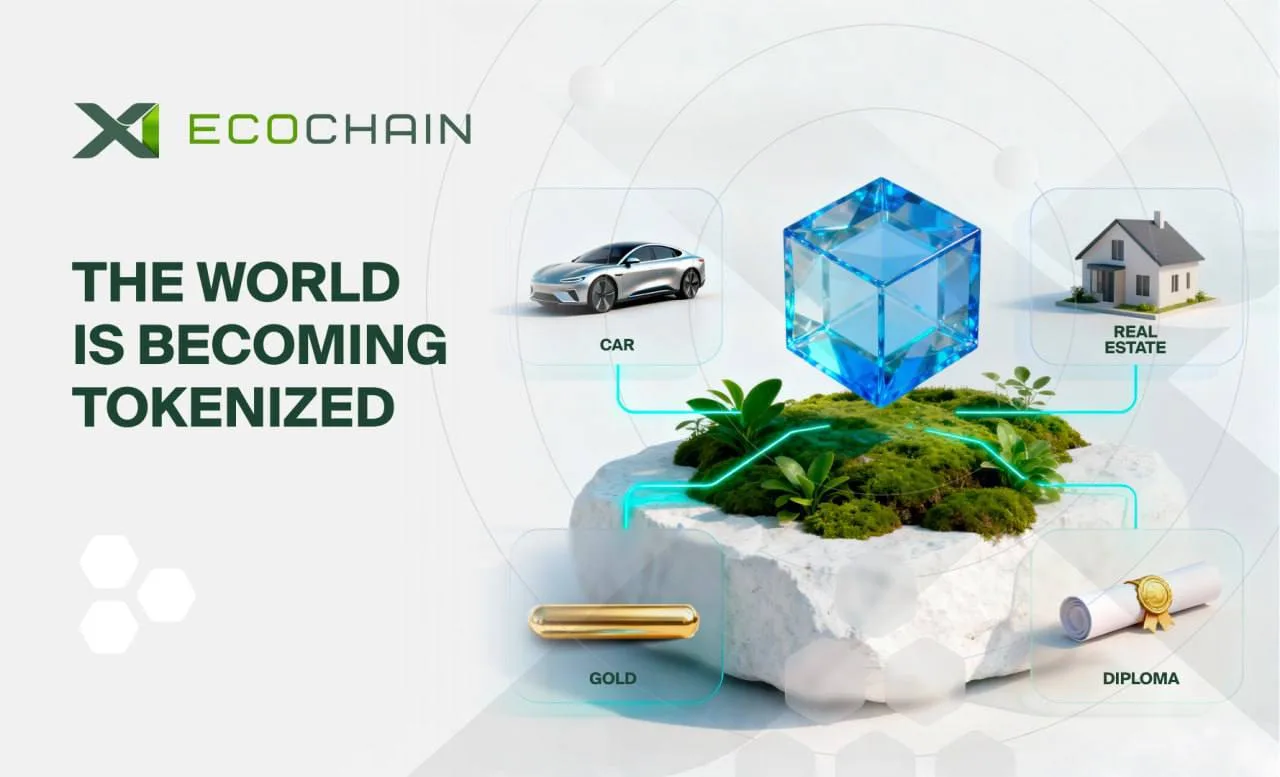
As digitalization and the interconnection of human and machine actions grow, trust becomes a critical resource. Today, almost every process relies on intermediaries: banks verify payments, governments validate documents, platforms manage data. This centralized model is vulnerable to errors, fraud, and manipulation.
Blockchain changes the rules of the game. Every action, transaction, and process can be recorded on a secure, verifiable, and immutable platform. Trust no longer depends on reputation or intermediaries — it is built into the technology.
This transformation is already happening: financial transactions, supply chains, voting, medical procedures, educational achievements, and gaming activities are partially logged on-chain. Even this partial recording creates a single, verifiable record that cannot be tampered with, laying the groundwork for a future where everything is on-chain.
Trust is now enforced not only by the blockchain itself but also by automation: smart contracts execute conditions without intermediaries. Already today, smart homes can track who enters, which devices are used, or how energy is consumed — without any third-party service. In the future, all this information will be stored securely on-chain, accessible only to authorized participants. Users fully own their data, and processes are transparent by design.
Tokenization takes this further. Actions and assets can become digital tokens. NFTs are no longer just digital art — they can represent tickets, cars, real estate, or any proof of ownership. Educational certificates and diplomas can be issued as NFTs, ensuring they are verifiable and impossible to forge. DeFi protocols can track real-world activities and automatically distribute rewards or manage risks. Every person and every object can have a digital twin, where all actions are recorded and verifiable.
Meeting the need for speed, security, and sustainability
As blockchain adoption expands from financial transactions to every digital and physical process, the demand grows for networks that are fast, scalable, eco-friendly, and fully decentralized. Existing solutions often compromise on one or more of these factors, limiting the potential of a truly on-chain world.
X1 EcoChain is a Layer-1 blockchain designed to serve as the foundation for the Web4 infrastructure. It solves the blockchain trilemma through its innovative PoN (Proof-of-Nodes) consensus algorithm.
Why Is the X1 EcoChain Architecture So Effective?
· PoN (Proof-of-Nodes) Algorithm: Unlike energy-intensive Proof-of-Work or centralisation-prone Proof-of-Stake, Proof-of-Nodes optimises load distribution across nodes. This ensures ultra-high throughput while maintaining a minimal carbon footprint.
· The X1Nodes Ecosystem: The network is backed by a decentralised web of nodes (X1Nodes) that guarantee instant transaction processing, hardware reliability, and robust resistance to attacks.
· Green Technologies: Securely recording both physical and digital processes requires minimal energy consumption, making X1 EcoChain a truly "green" blockchain.
With X1 EcoChain, a world of built-in trust, absolute transparency, and full control over personal data in the Web4 era is already a reality.