
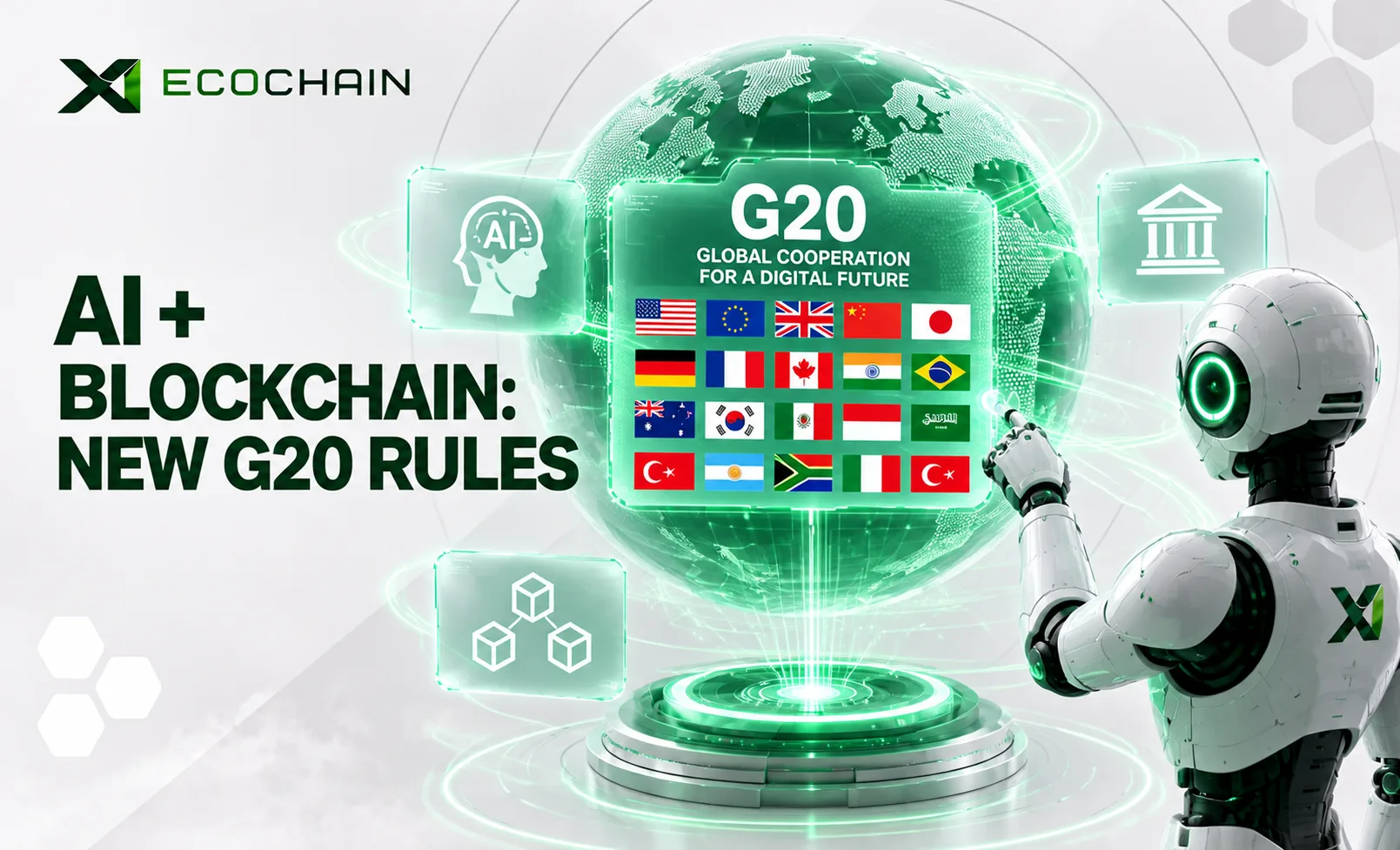
The intersection of decentralized technologies and machine learning is reshaping the global financial landscape. As autonomous systems take on more complex transactional tasks, international regulators are stepping up oversight.
In October 2026, the Financial Stability Board (FSB) released an official report for G20 finance ministers, focusing squarely on the governance of artificial intelligence systems and stablecoins. This pivotal move highlights why understanding the synergy between AI and blockchain is no longer optional for fintech developers, institutional investors, and compliance officers alike.
The Rise of Autonomous Financial Systems
Modern financial architectures are moving rapidly toward automation. Traditional payment rails and manual verification processes are being replaced by smart contracts driven by intelligent algorithms. However, this shift introduces unique risks, particularly regarding systemic stability, algorithmic accountability, and data integrity.
When evaluating how different distributed networks handle these emerging challenges, a rigorous blockchain comparison reveals a clear industry split. While legacy Layer-1 networks struggle to process intensive algorithmic workloads without congestion, next-generation infrastructures are specifically engineered to support high-throughput, secure, and compliant decentralized applications.
Regulatory Focus: FSB and the G20 Mandate
The FSB’s recent report outlines critical guidelines for policymakers across G20 nations. The primary concerns center on two main pillars:
AI System Security: Ensuring that autonomous algorithms operating within financial networks cannot be manipulated or cause cascading market failures.
Stablecoin Integration: Managing liquidity and risk as stable digital currencies increasingly bridge traditional banking with decentralized platforms.
For developers building the future of Web3, compliance and robust infrastructure must go hand in hand. The successful deployment of blockchain and AI tools relies entirely on cryptographic certainty, high-grade node security, and verifiable execution rails.
How X1 EcoChain Leads the Next Wave
As global standards shift toward rigorous security and scalable infrastructure, ecosystems like X1 EcoChain provide the ideal foundation for the next generation of decentralized applications. By establishing robust node architectures backed by independent validators, X1 EcoChain ensures the resilience and stability required by modern financial ecosystems.
Whether you are deploying complex smart contracts or exploring advanced AI and blockchain integrations, having a scalable, secure network is the ultimate key to long-term success.